
Choosing the Perfect Sofa and Other Furniture Color and Style for Your Living Room Aesthetic
4/20/20254 min read
Understanding Your Living Room Aesthetic
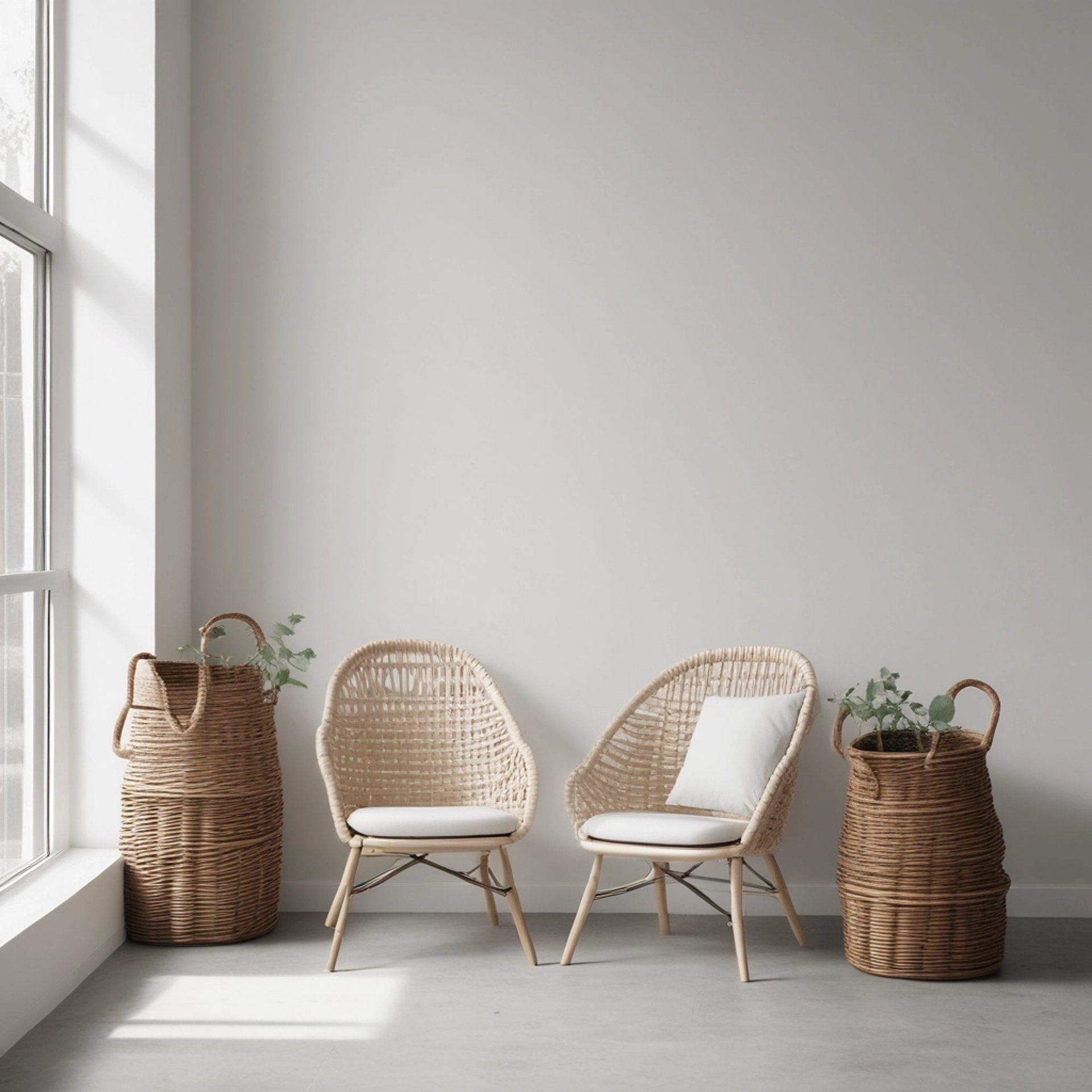
When selecting the perfect sofa and furniture for your living room, understanding your personal aesthetic is crucial. Various styles can define the overall appearance of a space, making it essential to pinpoint which aesthetic resonates with you. The options include modern, traditional, bohemian, minimalist, and rustic designs, each offering distinct characteristics and atmospheres.
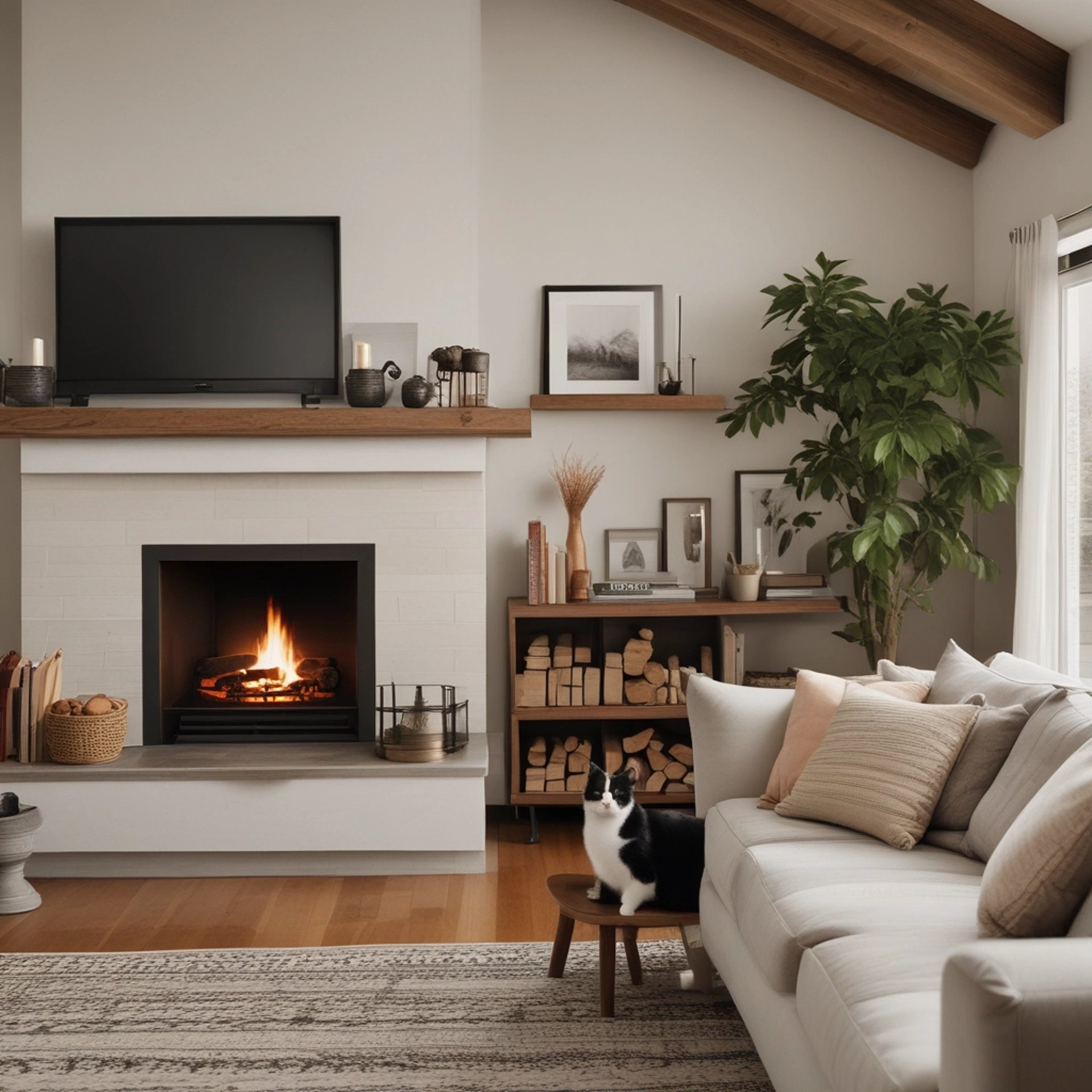
The modern aesthetic is often characterized by sleek lines, neutral colors, and an uncluttered look. Furniture in this style emphasizes functionality while remaining stylish, often incorporating materials like glass and metal. In contrast, traditional aesthetics often reflect classic designs, featuring rich woods, elegant fabrics, and intricate details that evoke a sense of timelessness. If your preference leans toward comfort and warmth, the rustic style could be ideal, bringing in natural elements like reclaimed wood and earthy tones, which create a cozy atmosphere.
The bohemian approach, on the other hand, allows for eclectic and vibrant personality expression. It embraces a mix of colors, patterns, and textures, drawing inspiration from various cultures and eras. This style often uses vintage furniture pieces combined with global textiles to create a unique and inviting environment. Lastly, the minimalist aesthetic champions simplicity, focusing on essential furniture pieces while enhancing the space's openness with light colors and uncluttered surfaces.
To effectively identify which aesthetic appeals to you, consider creating a mood board or an inspiration guide. Gather images from magazines, online sources, and social media platforms to visualize how different styles and colors will complement each other in your living room. By consolidating your ideas, you will gain clarity on your atmosphere's overall feel, which will guide you in selecting the right furniture to match your unique living room aesthetic.
Color Theory and Its Impact on Space
Color theory is a fundamental aspect of design that delves into how colors interact with one another and how they influence the emotional and aesthetic aspects of a living space. When selecting colors for your living room, it is crucial to understand the psychological effects different hues can have on individuals. For instance, warm tones such as reds, oranges, and yellows are known to evoke feelings of warmth, comfort, and energy. These colors are particularly effective in spaces meant for social interaction, as they stimulate conversation and create an inviting atmosphere.
In contrast, cool colors, including blues, greens, and purples, generally promote a sense of calm and serenity. These shades can make a living room feel more spacious and tranquil, often suitable for relaxation areas where peace is sought. The choice between warm and cool tones should align with the intended ambiance of the room, whether it is a lively gathering space or a tranquil retreat.
Utilizing complementary color schemes can enhance visual appeal by creating balance and contrast in the décor. For instance, pairing warm colors with cool shades can soften the vibrancy of an environment while maintaining an energized atmosphere. A monochromatic palette may also be beneficial, relying on variations of a single color to establish a cohesive look that feels harmonious and sophisticated. Additionally, incorporating neutral tones helps to ground bold colors, creating a balance that enhances the overall aesthetic without overwhelming the space.
In summary, understanding color theory is essential when choosing furniture and decorative elements for your living room. By thoughtfully selecting colors based on their psychological effects and compatibility, you can create an inviting and harmonious environment that reflects your style while catering to your mood and needs.
Choosing the Right Sofa: Style and Size Considerations
When selecting the perfect sofa for your living room, a thoughtful approach to style and size is essential. The style of the sofa can significantly influence the overall aesthetic of your space. Various options are available, each catering to different tastes and lifestyle needs. For instance, a sectional sofa is ideal for larger spaces and enables flexible seating arrangements, providing ample room for family gatherings or entertaining guests. Conversely, a loveseat serves as a compact alternative, suitable for smaller living rooms or cozy nooks, making it easier to fit into tighter spaces without sacrificing comfort.
An additional versatile option is the sofa bed, which merges functionality with style. This type can serve as both a comfortable seating area during the day and a practical sleeping solution for overnight guests, making it a valuable addition to a multifunctional living space.
Size considerations are equally critical in choosing the right sofa. Accurately measuring your living room should be your first step, ensuring that the selected piece does not overpower the space or disrupt the flow of movement. Understanding scale and proportion relative to other furniture pieces is also essential. A large sofa in a modest room can create a cramped feeling, whereas a smaller sofa in a grand space may appear lost and ineffective.
Once you've chosen a size and style, consider the fabric of your sofa. The material should not only align with your aesthetic preferences but also accommodate your lifestyle. For example, families with pets might opt for durable, stain-resistant fabrics, whereas more formal settings might benefit from luxurious textiles. Regular maintenance, such as vacuuming and spot-cleaning, will prolong the life of your sofa while ensuring that it remains a stylish centerpiece in your home.
Coordinating Furniture Pieces for a Cohesive Look
When it comes to designing a living room, coordinating furniture pieces is essential to achieve a cohesive aesthetic. After selecting the sofa, it is important to choose complementary furniture elements such as coffee tables, accent chairs, and side tables that work harmoniously with this focal point. The overall goal is to create a unified space that reflects personal style while ensuring functionality.
One effective way to achieve this is by mixing materials and textures. For instance, if your chosen sofa is upholstered in a soft fabric, an accent chair in leather or a natural fiber can provide an interesting visual contrast. Similarly, pairing a wooden coffee table with metal side tables can introduce dynamism to the room. By carefully considering the materials used throughout the living room, one can enhance the overall appeal without overwhelming the space.
In addition to varied materials, attention to color palettes is crucial. Selecting furniture that either matches or harmonizes with the sofa's color can help unify the room. For example, if the sofa features neutral tones, you might consider introducing accent chairs in bold colors that still relate back to the sofa. This practice helps create a balanced look, allowing the eye to flow seamlessly from one piece to another.
Accessorizing plays a vital role in rounding out the living room's design. Throw pillows can be used to inject personality into the sofa and can incorporate patterns or textures that align with other furniture pieces. Rugs are also significant; they anchor furnishings and add depth, while artwork on the walls can complement the color scheme, bringing the entire look together. By thoughtfully selecting accessories that connect with the sofa and overall theme of the living room, one can create a visually appealing and cohesive atmosphere that showcases individual style.
This post may contain affiliate links, which means I might earn a small commission (at no extra cost to you) if you decide to make a purchase through one of these links. I only recommend product I actually use or genuinely believe will bring value. Thanks for the support!
connect@insidecozynest.in
© 2025. All rights reserved.